









.png)
As warehouses become more automated, safety becomes both more complex and more critical.
Robots and humans are increasingly working side-by-side, often in fast-paced, high-pressure environments. This shift makes Human-Robot Interaction (HRI) design essential for ensuring safe, predictable collaboration.
Boston Engineering highlights that HRI design plays a key role in enabling robots and humans to coexist safely and effectively in shared environments.
Continue reading below to learn more
The Boston Engineering Digital Solutions Portfolio
Boston Engineering’s comprehensive Digital Solutions Portfolio brings together cutting-edge technologies and engineering expertise to solve your most complex business challenges.
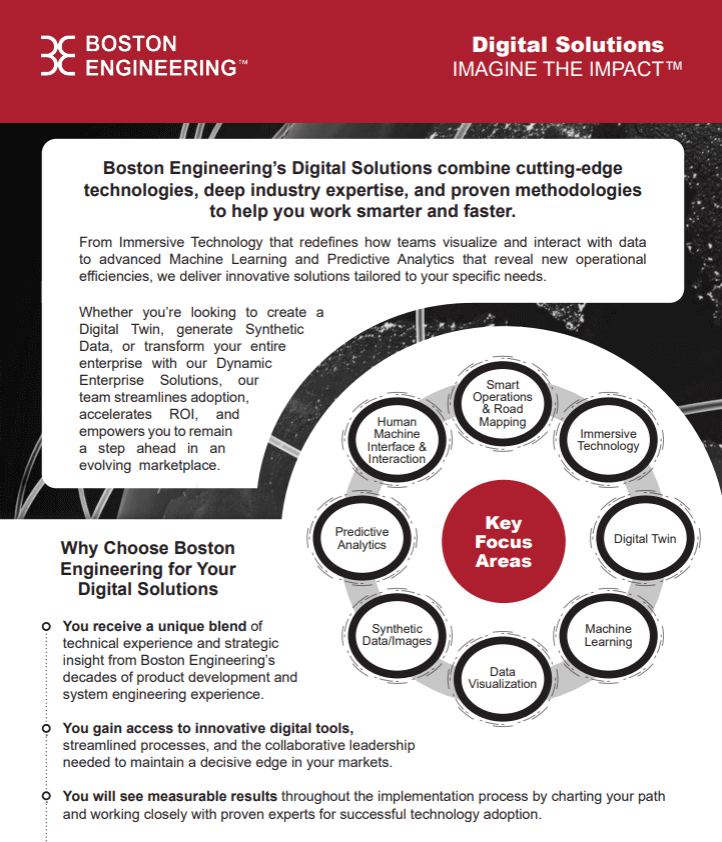
Download the Boston Engineering Digital Solutions Guide
By leveraging our Digital Solutions Portfolio, you gain a strategic partner committed to delivering measurable improvements in operational efficiency, decision-making capabilities, and competitive advantage. Our solutions span the entire digital transformation spectrum.
Our Discrete Digital Solutions include:

(continued from above)
The Safety Challenges of Modern Warehouses
Warehouse environments present unique risks:
- High traffic from workers and equipment
- Dynamic layouts and shifting inventory
- Tight spaces and fast-moving operations
In these conditions, safety cannot rely on separation, it must rely on interaction design.
How HRI Improves Safety in Warehouse Automation
1. Predictable Robot Behavior
How it works:
Robots are programmed to behave consistently and communicate intent clearly.
Why it matters:
Workers can anticipate robot actions, reducing the likelihood of accidents.
2. Clear Communication Systems
How it works:
Robots use visual signals, alerts, or interfaces to communicate status and movement.
Why it matters:
Transparency reduces confusion and improves coordination between humans and robots.
3. Human-Aware Navigation
How it works:
Robots detect human presence and adjust speed, path, or behavior accordingly.
Why it matters:
This reduces collision risk and supports safe shared workspaces.
4. Feedback-Driven Interaction
How it works:
Systems continuously provide updates about robot actions and environmental conditions.
Why it matters:
Operators remain informed, allowing them to intervene or adapt when needed.

Addressing Common Warehouse Safety Pain Points
Unexpected Robot Movements
-
HRI ensures robots communicate intent clearly.
Worker Uncertainty Around Robots
-
Transparent systems build trust and confidence.
High-Risk Shared Spaces
-
Human-aware navigation improves safety in mixed environments.
The Business Impact of Safer Automation
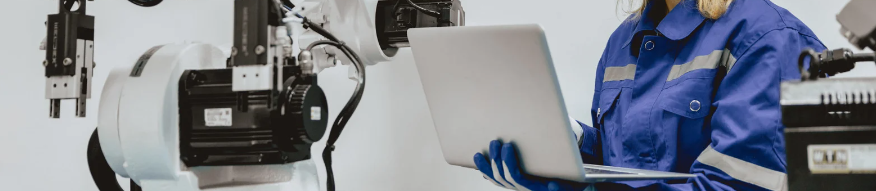
Safety is not just a compliance requirement; it directly affects operational performance:
- Fewer incidents and disruptions
- Reduced liability and insurance costs
- Improved workforce confidence and productivity
- Greater uptime and reliability
When safety improves, efficiency follows.
Boston Engineering’s Safety-First HRI Design
Boston Engineering integrates HRI into the full robotics design process, ensuring:
- Safe interaction is built into system architecture
- Human factors are considered alongside technical performance
- Systems are validated for real-world operation
Their multidisciplinary approach ensures safety is a foundation. For warehouses, the future of automation depends on safe human-robot collaboration.
By investing in HRI design, companies can reduce risk, improve efficiency, and create environments where people and robots work together effectively.
.png?width=760&height=317&name=Robotics%20Background%20image%20(2).png)
The 2025 Boston Engineering Technology Overview is Here!
Embrace the future trends that are shaping a new era of engineering excellence. Download for groundbreaking insights!
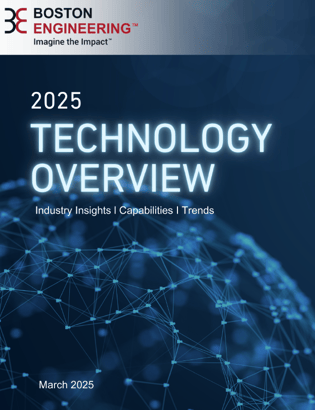 Access these exclusive technology insights and empower yourself and your organization to stay ahead of the curve. Download your copy of the Boston Engineering 2025 Technology Overview today!
Key Topics:
- Re-shoring as a Competitive Advantage
- Modular Sustainment Robotics
- Embedded Systems
- DFX (Design for X)
- Control Systems
- Digital Solutions
- Mechanical Engineering
- Software Engineering
Download the Boston Engineering 2025 Technology Overview
Download the Latest Immersive Technology Whitepaper from Boston Engineering
Augmented Reality (AR) is revolutionizing the way we interact with digital content, merging the physical and digital worlds in innovative ways. In this white paper, we provide a comprehensive overview of AR, exploring its definition, potential uses, challenges in adoption, and strategies for companies to embrace this transformative technology.
Download to begin Embracing the Future

No matter the challenge, our team possesses the expertise in the engineering disciplines and technologies you need to bring your vision to life. Impossible Challenge? Try Us.

Imagine your Impact: Stay up-to date- with the latest insights and trends we're watching. Add your email address below and sign up for a Monthly Summary of our most impactful posts!
