









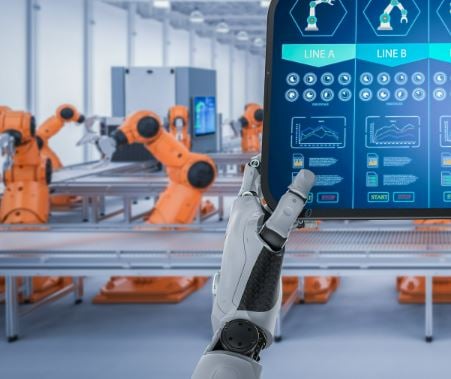
Modern military operations demand speed, precision, and adaptability.
Whether supporting logistics, maintaining naval vessels, inspecting critical infrastructure, or conducting reconnaissance, defense personnel are routinely asked to perform missions in environments where the stakes are high, and the risks are even higher.
For decades, advances in armor, communications, and protective equipment have helped improve the safety of service members and civilian personnel. Today, another technology is fundamentally changing how dangerous work gets done: robotics.
From autonomous inspection platforms and underwater vehicles to robotic assistants and wearable technologies, modern robotic systems are helping defense organizations reduce risk while improving mission effectiveness. Rather than replacing human operators, these technologies are extending their capabilities—allowing people to make better decisions while keeping them farther from harm.
As global threats evolve and operational demands continue to grow, robotics are becoming an essential component of defense modernization.
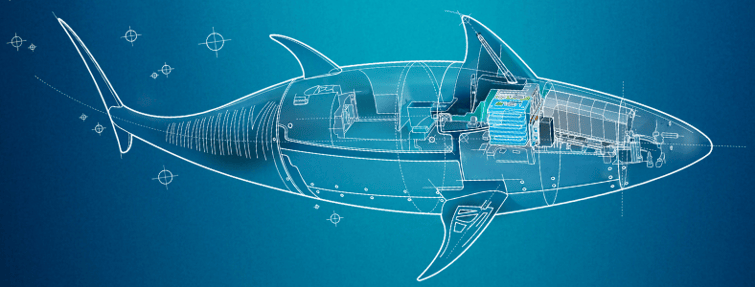
The Challenge: Mission Success Often Requires Working in Dangerous Environments
Defense organizations operate in some of the most demanding environments imaginable. Personnel may be tasked with inspecting confined spaces aboard ships, navigating hazardous industrial facilities, responding to damaged infrastructure, or operating in areas where explosive hazards or environmental dangers are present.
These missions often involve challenges such as:
- Limited visibility and difficult terrain
- Hazardous materials or confined spaces
- Underwater or maritime operations
- Repetitive inspections that consume valuable manpower
- High-risk maintenance activities
- Time-sensitive missions where delays affect operational readiness
Historically, many of these tasks required personnel to physically enter hazardous environments simply because there was no practical alternative.
Today, that is changing.
The Evolution of Defense Robotics
Defense robotics have advanced dramatically over the past decade. Early robotic systems were often designed for highly specialized tasks with limited autonomy and flexibility. While effective for certain missions, they required significant operator input and were often difficult to adapt to new environments.
Today's robotic platforms combine advances in artificial intelligence, machine vision, sensor fusion, embedded computing, and autonomous navigation to perform increasingly complex tasks with greater precision and reliability.
Modern robotic systems can:
- Navigate unfamiliar environments
- Detect and avoid obstacles
- Collect and analyze data from multiple sensors
- Operate in confined or hazardous locations
- Support operators with real-time situational awareness
- Perform repetitive or physically demanding tasks with consistent accuracy
These capabilities allow organizations to deploy robotic systems where sending personnel would increase risk without adding value.
Technology Is Enabling Safer Missions
Several technological advancements have accelerated the adoption of robotics across defense applications.
Artificial Intelligence and Machine Learning
AI enables robotic systems to process large amounts of sensor data, recognize patterns, and assist operators in making informed decisions. While humans remain responsible for mission-critical judgment, AI helps reduce workload by identifying potential hazards and improving situational awareness.
Advanced Sensors and Machine Vision
High-resolution cameras, thermal imaging, LiDAR, radar, and other sensing technologies provide robotic platforms with a detailed understanding of their surroundings. These capabilities allow robots to operate in environments where visibility may be limited or conditions are constantly changing.
Autonomous Navigation
Modern navigation systems enable robots to traverse complex environments while avoiding obstacles and adapting to changing conditions. This allows personnel to supervise operations remotely rather than placing themselves directly in hazardous areas.
Reliable Communications
Advancements in wireless communications and networking enable robotic systems to transmit data, video, and diagnostics in real time, allowing operators to maintain awareness even when working from a safe distance.
Together, these technologies have transformed robotics from experimental systems into practical tools that support real-world defense missions.
Human-Robot Teaming: A Smarter Approach to Defense Operations
One of the most common misconceptions surrounding defense robotics is that autonomous systems are intended to replace people.
In reality, the opposite is true.
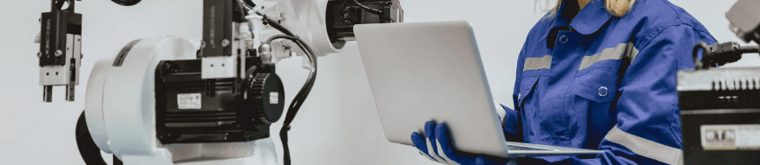
The greatest value of robotics comes from enabling human-robot teaming, where robotic systems perform dangerous, repetitive, or physically demanding tasks while people remain responsible for mission planning, critical thinking, and decision-making.
This collaborative approach allows organizations to:
- Reduce unnecessary exposure to hazardous environments
- Improve operational efficiency
- Increase inspection accuracy
- Extend the capabilities of existing personnel
- Preserve valuable human expertise where it matters most
Rather than replacing skilled operators, robotics become force multipliers that allow experienced personnel to accomplish more while reducing unnecessary risk.
Robotics Across the Defense Enterprise
While robotics often bring to mind autonomous ground vehicles or aerial drones, today's defense applications extend far beyond traditional combat missions.
Robotic systems are increasingly supporting:
Shipyard Maintenance and Sustainment
Maintaining military vessels often requires personnel to work in confined spaces, inspect difficult-to-access structures, and perform physically demanding tasks. Robotic inspection systems can help reduce worker exposure while improving maintenance efficiency and fleet readiness.
Maritime Operations
Autonomous and remotely operated marine systems can collect environmental data, inspect underwater infrastructure, and support naval missions in locations where deploying divers or crewed vessels may present unnecessary risk.
Logistics and Material Handling
Robotic systems can assist with transporting equipment, moving heavy materials, and automating repetitive workflows, allowing personnel to focus on higher-value activities.
Infrastructure Inspection
Military facilities require regular inspections to ensure safety and operational readiness. Robotics equipped with advanced sensors can access hazardous or difficult-to-reach locations while collecting accurate, repeatable inspection data.
Across each of these applications, the objective remains the same: improve mission effectiveness while protecting the people who make those missions possible.
Boston Engineering's Approach to Defense Robotics
Developing successful robotic systems requires far more than integrating sensors or building autonomous platforms. It demands a multidisciplinary engineering approach that considers every aspect of the system—from mechanical design and embedded electronics to controls, software, communications, and human interaction.
For more than 30 years, Boston Engineering has helped government agencies and commercial organizations develop innovative technologies that solve complex engineering challenges.
The company's expertise spans:
- Robotics and autonomous systems
- Systems engineering
- Embedded software and electronics
- Artificial intelligence integration
- Motion control
- Advanced sensing technologies
- Marine and subsea engineering
- Digital engineering and visualization
- Product development from concept through deployment
This multidisciplinary approach enables Boston Engineering to develop robotic solutions that are not only technically advanced but also reliable, maintainable, and designed for real-world defense environments.
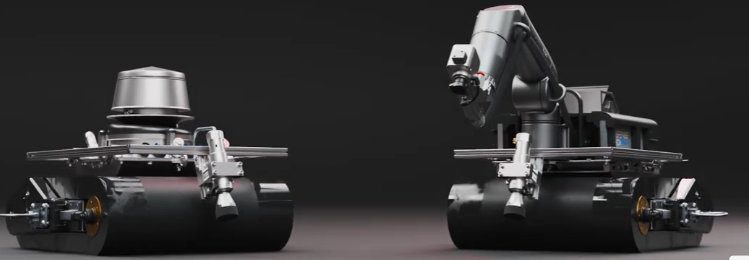
Recent innovations such as the Family of Shipyard Assisting Robotics (FOSAR) demonstrate how robotics can improve workforce productivity, increase maintenance efficiency, and help preserve critical institutional knowledge across the maritime industrial base. Likewise, Mixed Reality Expert Guidance (MREG) complements robotic technologies by connecting field personnel with remote experts through real-time visual collaboration, enabling faster troubleshooting and more effective decision-making.
Together, these technologies illustrate a broader vision for defense modernization—one where robotics, digital tools, and connected systems work together to improve readiness while keeping people safer.
Download the Whitepaper
Want to learn more about how robotics are transforming defense operations and helping keep personnel out of harm's way?
Download Boston Engineering's white paper, Keeping Humans Out of Harm's Way, to explore the technologies, applications, and engineering innovations shaping the future of defense robotics.
Read More Here
Download the Latest Immersive Technology Whitepaper from Boston Engineering

Augmented Reality (AR) is revolutionizing the way we interact with digital content, merging the physical and digital worlds in innovative ways. In this white paper, we provide a comprehensive overview of AR, exploring its definition, potential uses, challenges in adoption, and strategies for companies to embrace this transformative technology.
Download to begin Embracing the Future

No matter the challenge, our team possesses the expertise in the engineering disciplines and technologies you need to bring your vision to life. Impossible Challenge? Try Us.

Imagine your Impact: Stay up-to date- with the latest insights and trends we're watching. Add your email address below and sign up for a Monthly Summary of our most impactful posts!
